International freight forwarding plays an essential role in global trade, helping businesses transport goods across borders efficiently, safely, and cost-effectively. As international supply chains become increasingly complex, companies rely on professional freight forwarding services to coordinate shipments, manage documentation, and ensure that cargo reaches its destination on schedule.
Whether a company imports raw materials from Asia, exports manufactured products across Europe, or manages shipments between multiple continents, international freight forwarding provides the expertise and logistical coordination necessary to keep goods moving. Choosing the right freight forwarding partner can significantly improve supply chain performance, reduce transportation costs, and minimize operational risks.
What Is International Freight Forwarding?
International freight forwarding is the process of organizing and coordinating the transportation of goods between countries. Freight forwarders act as intermediaries between shippers and transportation providers, arranging suitable logistics solutions based on cargo requirements, delivery deadlines, transportation routes, and available budgets.
Unlike transportation companies that primarily operate their own vehicles, freight forwarders typically cooperate with networks of carriers, shipping lines, airlines, customs brokers, and logistics service providers. This allows them to offer flexible solutions for different types of shipments and international destinations.
Their responsibilities may include selecting carriers, planning transportation routes, preparing shipping documentation, coordinating customs clearance, arranging cargo insurance, and monitoring shipments throughout the transportation process. The exact scope of services depends on the freight forwarding agreement and the customer’s requirements.
For businesses operating internationally, this approach simplifies logistics management. Instead of negotiating separately with multiple transportation providers, companies can work with a freight forwarder who coordinates the entire shipping process. https://www.arijus.lt/en/services/international-freight-forwarding-services
Main Types of International Freight Forwarding Services
International cargo transportation can involve several different modes of transport. The most suitable option depends on the shipment’s size, weight, value, destination, and delivery urgency.
Road Freight Forwarding
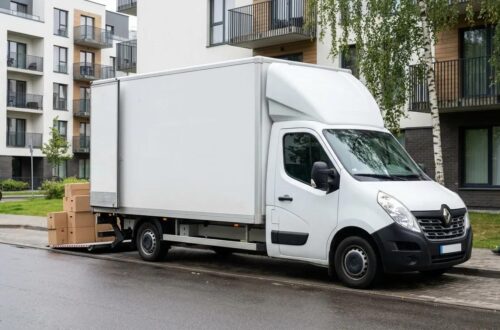
Road transportation remains one of the most important logistics solutions for companies trading within Europe. An extensive road network connects industrial regions, warehouses, distribution centers, and major commercial hubs, making road freight particularly suitable for regional and cross-border deliveries.
Businesses can choose between full truckload (FTL) and less-than-truckload (LTL) transportation. FTL shipping is generally suitable for larger shipments requiring dedicated vehicle capacity, while LTL services allow smaller cargo loads to share transportation space with other shipments.
Road freight forwarding also provides flexibility for door-to-door deliveries, scheduled shipments, and connections between manufacturing facilities and distribution centers.
Sea Freight Forwarding
Sea freight is widely used for transporting large quantities of goods over long international distances. Container shipping enables businesses to move substantial cargo volumes between major ports while maintaining competitive transportation costs.
Depending on shipment requirements, freight forwarders may arrange full container load (FCL) or less than container load (LCL) services. FCL is suitable for shipments requiring an entire container, while LCL allows smaller consignments to be consolidated with other cargo.
Although sea transportation generally requires longer transit times than air freight, it remains an important solution for international trade involving industrial equipment, consumer products, raw materials, and other commercial goods.
Air Freight Forwarding
Air freight offers fast international transportation for time-sensitive, high-value, or urgent shipments. Industries such as electronics, pharmaceuticals, manufacturing, and automotive production frequently rely on air cargo services when delivery speed is critical.
Professional freight forwarders coordinate airline capacity, cargo handling, documentation, and delivery arrangements. Although air freight typically involves higher transportation costs, its shorter transit times can help businesses avoid production delays and maintain reliable supply chains.
Rail and Multimodal Freight Forwarding
Rail freight can provide an efficient option for transporting heavy or high-volume cargo along established international corridors. It is often considered for longer-distance shipments where rail infrastructure and terminal connections are available.
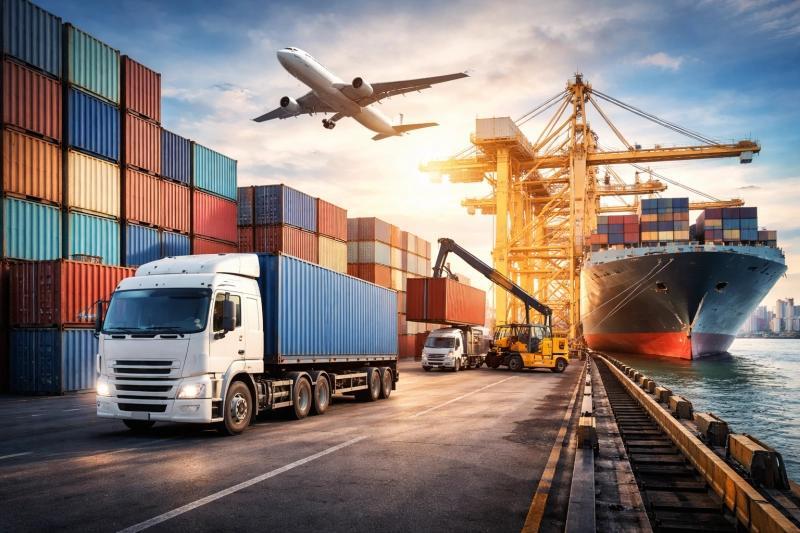
Multimodal freight forwarding combines different transportation methods, such as road, rail, sea, and air, within a coordinated logistics solution. For example, cargo may travel by sea to a European port before continuing by rail and truck to its final destination.
Combining transportation modes allows logistics specialists to balance costs, transit times, cargo requirements, and route availability.
Why Businesses Need Professional Freight Forwarding Services
Managing international transportation involves considerably more than moving goods from one location to another. Cross-border shipments may require customs declarations, export and import documentation, cargo classification, insurance arrangements, and compliance with regulations in different countries.
Experienced freight forwarding companies help businesses navigate these requirements while reducing the administrative burden associated with international shipping.
One significant advantage is access to established transportation networks. Freight forwarders cooperate with carriers operating across multiple markets, allowing them to compare available routes and select services that match the customer’s requirements.
Another advantage is shipment coordination. International deliveries may involve several parties, including suppliers, warehouse operators, customs authorities, and transportation companies. A freight forwarder helps maintain communication between these participants and resolve logistical issues when they arise.
Professional coordination is especially valuable when businesses handle recurring shipments, deliver goods to several countries, or operate supply chains with strict delivery schedules.
Customs Clearance and International Shipping Documentation
Customs procedures are an important consideration in international freight forwarding, particularly when transporting goods between the European Union and countries outside its customs territory.
Depending on the shipment, documentation may include commercial invoices, packing lists, transport documents, customs declarations, certificates of origin, and permits required for specific products.
Incorrect or incomplete documentation can result in customs delays, additional expenses, or problems with cargo release. Freight forwarders may help prepare and coordinate the necessary information, often working alongside customs brokers and other authorized service providers.
International commercial terms, commonly known as Incoterms, also influence shipping responsibilities. These rules help define which party is responsible for transportation arrangements, certain costs, risks, and delivery obligations under the agreed commercial terms.
Clearly established responsibilities between buyers, sellers, and logistics providers help prevent misunderstandings during international transactions.
How Are International Freight Forwarding Costs Calculated?
The cost of international freight forwarding depends on several factors, including transportation distance, shipment size, cargo weight, delivery urgency, selected transport mode, and destination requirements.
Additional expenses may arise from customs brokerage, cargo insurance, temporary storage, special handling, terminal charges, or delivery to locations outside major transport corridors.
For road transportation, the price may also depend on whether a shipment requires a dedicated truck or can be consolidated with other cargo. Sea freight pricing is influenced by container requirements, shipping routes, port charges, and market conditions.
Businesses should therefore compare logistics offers based on the complete scope of services rather than transportation rates alone. A lower initial quotation may not include every expense associated with delivering cargo to its final destination.
Providing accurate shipment information helps freight forwarders prepare more realistic quotations and recommend appropriate transportation solutions.
How to Choose a Reliable International Freight Forwarding Company
Selecting a freight forwarding partner requires careful consideration of operational experience, geographical coverage, communication standards, and the ability to manage different cargo requirements.
Companies should evaluate whether a logistics provider has experience with the relevant transportation routes and industries. A freight forwarder handling regular European road shipments may have different capabilities from a provider specializing in intercontinental container transportation or urgent air cargo.
Shipment visibility is another important consideration. Businesses benefit from clear communication regarding estimated transit times, shipment milestones, potential delays, and delivery arrangements.
Transparent pricing, appropriate cargo handling procedures, and established relationships with reliable carriers are equally important. Companies transporting specialized, oversized, temperature-sensitive, or hazardous cargo should also verify that the logistics provider has the necessary expertise and access to suitable transportation services.
A reliable freight forwarding partner should understand the customer’s commercial priorities and recommend solutions that balance cost, efficiency, and delivery reliability.
The Future of International Freight Forwarding
Digital technologies are transforming international freight forwarding by improving shipment visibility, documentation management, and communication between supply chain participants.
Transportation management systems, electronic documentation, automated shipment updates, and data-driven route planning help logistics providers coordinate complex operations more efficiently.
Sustainability is also influencing transportation decisions. Businesses increasingly consider fuel consumption, emissions reporting, and opportunities to use rail or multimodal transportation where commercially and operationally appropriate.
At the same time, international supply chains continue to face challenges related to geopolitical developments, changing trade regulations, infrastructure limitations, and fluctuations in transportation capacity.
These conditions make flexibility and reliable logistics planning increasingly valuable for companies operating across international markets.
International freight forwarding remains a fundamental part of modern commerce. Businesses that cooperate with experienced logistics partners can improve transportation coordination, manage cross-border requirements more effectively, and build supply chains capable of adapting to changing market conditions. Whether goods are transported by road, sea, air, or rail, successful international shipping depends on careful planning, clear communication, and professionally managed logistics processes.